Green Initiatives: How E-Waste Recycling Services Are Protecting Our Planet
E-waste represents a considerable hazard to the environment, as abandoned electronic devices commonly carry harmful materials. These toxic materials have the potential to taint soil and water sources, resulting in widespread environmental harm. E-waste recycling initiatives provide a practical answer. They successfully retrieve useful resources while simultaneously minimizing environmental pollution. Comprehending the operation of these services and their influence on communities is of great importance. The journey towards effective e-waste management raises critical questions about individual responsibility and collective action. What measures can be pursued from this point onward?
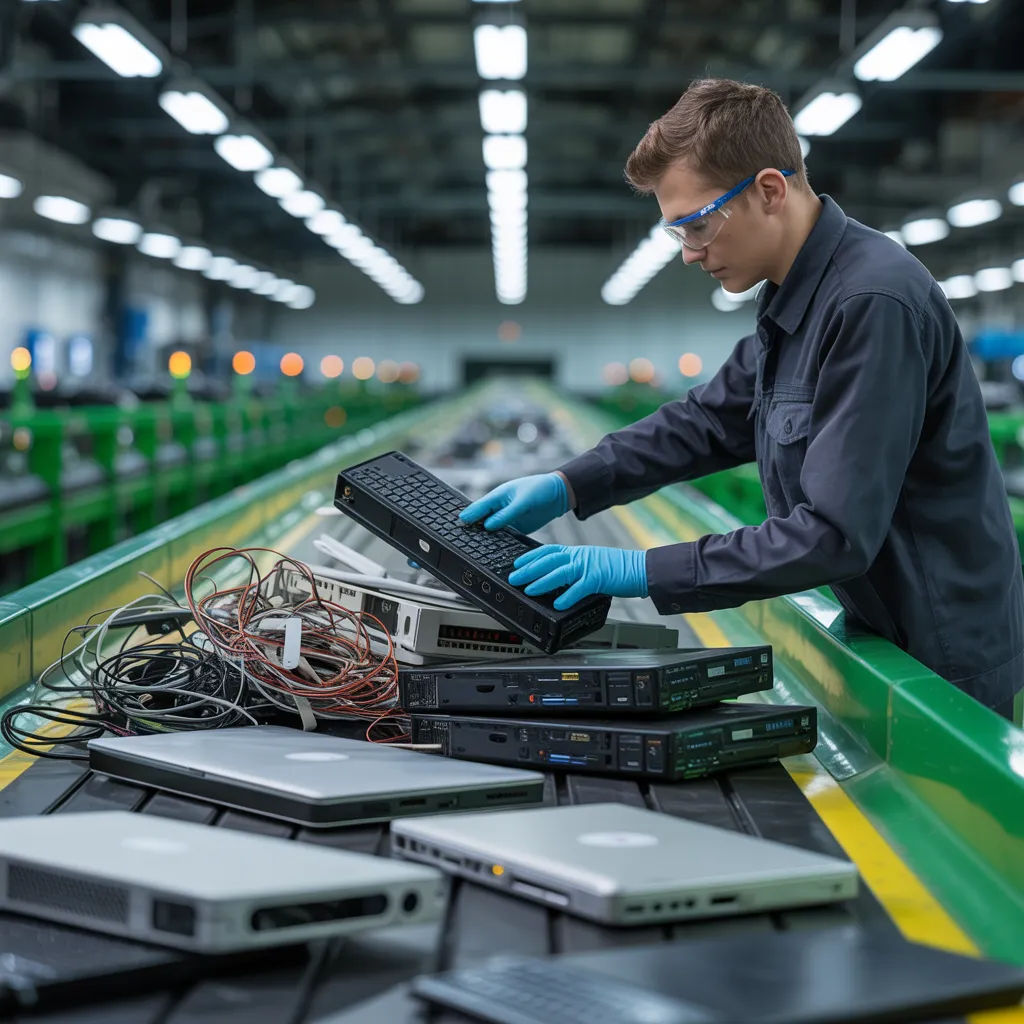
How E-Waste Is Hurting the Planet
While technology enhances modern life, e-waste poses serious threats to the environment. Discarded electronic devices, commonly laden with dangerous compounds like lead, mercury, and cadmium, are capable of seeping pollutants into soil and groundwater, posing risks to ecosystems and human health. The swift progression of technology contributes to increased consumer turnover of electronics, worsening the buildup of e-waste.
Landfills, already strained by waste, are unable to keep up with the rising quantities of abandoned electronics. Incineration, a common waste management technique, emits dangerous pollutants into the environment, degrading atmospheric conditions. Moreover, poor recycling procedures can cause e-waste to be sent to developing regions, where employees may disassemble electronics without sufficient safety precautions, leaving them vulnerable to harmful substances. This pattern of negligence and mismanagement highlights the critical demand for eco-friendly recycling alternatives that can reduce the damaging impact of electronic waste on the environment.
Understanding E-Waste and Its Significance
E-waste, also referred to as electronic waste, comprises obsolete electronic products like computers, smartphones, and televisions that are no longer functional or needed. This increasingly prevalent form of waste is important due to its rapid accumulation, fueled by innovation in technology and shifting consumer habits. As growing numbers of electronics become outdated, the environmental impact intensifies, with toxic materials such as lead, mercury, and cadmium posing risks to ecosystems and human health.
Addressing e-waste is crucial not only for reducing these dangers but also for acknowledging the precious materials found within it. Valuable metals and rare earth materials can be extracted and repurposed, lessening the demand for mining and preserving natural resources. By understanding e-waste and its implications, individuals and organizations can make informed decisions about disposal and recycling, ultimately contributing to a more sustainable future. Responsible management of e-waste plays a key role in supporting a circular economy and championing environmental stewardship.
How E-Waste Recycling Works
The recycling of e-waste encompasses an organized procedure intended to extract beneficial components while reducing harm to the environment. At the outset, discarded electronics are retrieved and sent to dedicated processing centers. Upon arrival, the equipment is meticulously organized to separate hazardous components from recyclable materials.
Following this, specialists take apart the devices, extracting plastics, metals, and glass. This step is critical, as it allows for the reclamation of rare metals like copper, gold, and silver, which are repurposed in new electronic devices.
Following this, the separated materials are refined with advanced techniques, Begin here such as shredding and specialized chemical treatments, to cleanse them for further use.
Ultimately, the remaining dangerous materials are managed properly, complying with eco-friendly standards. This comprehensive process not only conserves resources but also mitigates the risks associated with unsafe e-waste handling, guaranteeing a greener future for electronic consumption.
Why E-Waste Recycling Matters for You and Your Community
Although it often goes unnoticed, the benefits of e-waste recycling go far beyond individual benefit and actively shape entire communities. By carefully processing electronic waste, individuals play a role in creating a cleaner environment, reducing hazardous materials that can seep into soil and water. This proactive approach actively safeguards local ecosystems and advances public health.
Furthermore, e-waste recycling fosters job creation within communities. Regional recycling centers frequently need staff for various operations, covering everything from collection to processing, therefore offering work opportunities for local residents. This not only stimulates the local economy but also promotes community participation in sustainable initiatives.
In addition, awareness of e-waste recycling has the potential to generate community outreach programs, enabling residents to make environmentally conscious decisions. By enrolling in e-waste recycling programs, individuals foster a culture of sustainability, encouraging others to join the movement. All things considered, the cumulative impact of these actions can create a more sustainable and conscientious community.
Tips for Choosing an E-Waste Recycling Service
Choosing the right e-waste disposal service is vital for making sure that e-waste is processed with responsibility and sustainability. First, individuals should check the company's certifications, such as R2 and e-Stewards certifications, which demonstrate conformance to established benchmarks for secure waste disposal procedures. Additionally, it is advisable to evaluate the provider's reputation by reviewing feedback and obtaining recommendations from trusted sources.
Moreover, transparency in the recycling process is vital. A reliable provider should supply straightforward details about the way e-waste is handled and what becomes of the materials. Furthermore, assessing the variety of services available can be advantageous; some companies may provide pickup services or offer incentives for recycling.
Finally, learning about local regulations regarding e-waste disposal can additionally influence the decision-making process. When these considerations are given priority, people are able to support efficient electronic waste handling while supporting green and responsible behaviors.
How You Can Take Part in E-Waste Recycling?
Getting involved with e-waste recycling may begin at the local level, where local recycling facilities often provide essential services for safe disposal. Additionally, taking part in community awareness campaigns can enhance efforts to raise awareness about the importance of proper e-waste handling. These initiatives not only promote sustainability but also foster a collective sense of accountability for the environment.
Area Recycling Stations
Several community recycling facilities perform an important function in e-waste recycling, supplying communities with reliable ways to manage electronic waste appropriately. These facilities handle a wide array of electronic equipment, including used computers, handheld devices, and televisions, making certain that hazardous materials are managed safely. Many hubs feature experienced team members who are able to assist individuals with correct disposal techniques, underscoring the benefits of recycling compared to landfilling. Moreover, several stations organize organized drop-off opportunities or appointed collection periods, enabling residents to engage without difficulty. By utilizing these local services, residents support a circular economy, decreasing environmental damage and advancing sustainable approaches. Connecting with these stations empowers communities to take action against e-waste pollution effectively.
Public Awareness Initiatives
Nearby organizations, schools, and enterprises can work together to organize events that support e-waste collection drives. Volunteers can play a pivotal role in promoting knowledge, handing out educational content, and interacting with the surrounding community. As a result of these combined actions, community members grow more knowledgeable and inspired to dispose of their electronics responsibly, thus playing a meaningful role in creating a more environmentally responsible future.
Answers to Your Most Common Questions
What Electronic Devices Are Eligible for Recycling?
Many different electronics may be recycled, including smartphones, computers, laptops, televisions, printers, and gaming consoles. Additionally, peripherals such as keyboards, mice, and batteries are equally appropriate for recycling, contributing to sustainable environmental practices.
Do Any Costs Come With E-Waste Recycling?
Indeed, e-waste recycling sometimes comes with charges, depending on the provider. Some service centers impose charges for pickup or handling, while other facilities provide no-cost solutions, typically funded by the sale of reclaimed components.
How Can Businesses Benefit From E-Waste Recycling?
Companies can take advantage of e-waste recycling by lowering disposal expenses, improving their green reputation, meeting compliance standards, recovering valuable materials, and creating potential earnings via resale, ultimately contributing to a more sustainable operational strategy.
What Happens to Data on Recycled Devices?
Information from refurbished devices is commonly permanently erased or eliminated during processing. This guarantees confidential data is kept safe, blocking unwanted intrusion while permitting materials to be repurposed safely and responsibly across new manufacturing processes.
Are Broken Electronics Eligible for Recycling?
Indeed, defective electronics are able to be recycled. Numerous facilities receive defective devices, providing responsible disposal and retrieval of recoverable materials. Doing so helps lower the environmental footprint while promoting responsible recycling practices to control electrical waste properly.